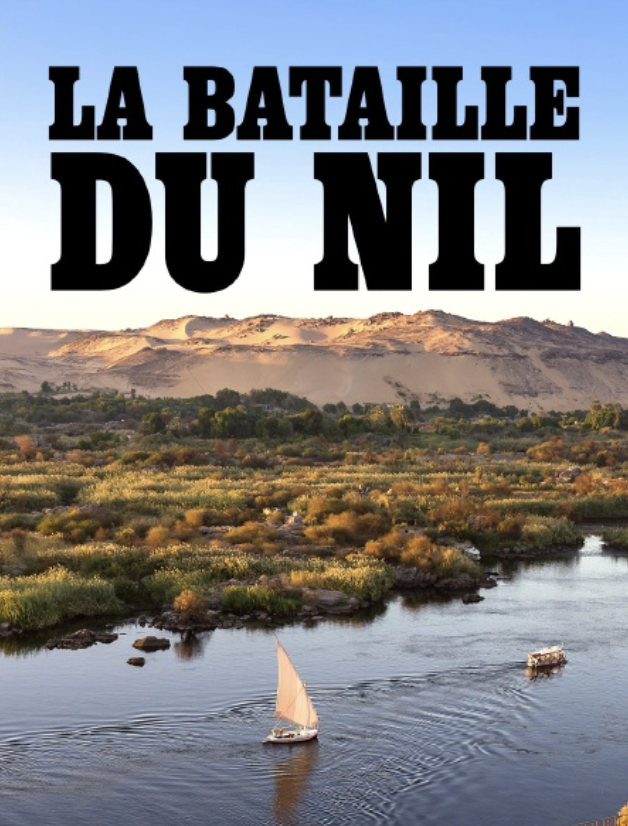
The longest river in the world, a source of life for more than 300 million people, has always been the subject of intense power struggles. When Nasser built the Aswan Dam in the 20th century, he ensured significant economic development, which enabled him to establish his dominance over Ethiopia and Sudan. But since 2013, Addis Ababa's construction of the ‘Renaissance Dam’, the largest dam ever built on the African continent, has once again poisoned relations between the three neighbours. An agreement was reached in 2015, officially recognising Ethiopia's right to build its dam. But in addition to a lack of funding and structural delays (only one of the thirteen turbines has been operational since 2022), Egypt is exerting pressure to slow down the project and is stepping up its demonstrations of force alongside Sudan. Sudan, a fragile ally of Egypt, has understood that it is in its interest to challenge Cairo's hegemony on the issue of water and has no qualms about playing a double game. Devastated by twenty years of civil war, which resumed in 2023, the country is the scene of a proxy war between Cairo and Addis Ababa, both of which are supplying weapons to rival camps. To make matters worse, the United Arab Emirates has been involved in this underground conflict since 2018, positioning itself as an indispensable mediator. While pouring billions of dollars into Ethiopia, Dubai is gradually taking control of the country's mineral and water resources. One of its objectives is to ensure its own food sovereignty.
Who will be the next masters of the Nile? We already know who the losers are: ordinary citizens, farmers expropriated from their land to make way for the dam, villagers who have been promised electricity for ages while it is sold abroad, and civilians killed by weapons supplied by rival powers eager to diminish the power of their neighbours. Documentary filmmaker Sara Creta exposes the ins and outs of an issue that has poisoned relations between the countries of the Horn of Africa ever since humans began to dominate the river. Her comprehensive analysis sheds light on the many conflicts currently raging or smouldering along the banks of the Nile, and offers insights into the future of a region that is the subject of fierce competition.